Few things are as frustrating as waking up to a cold shower or discovering that your water heater isn’t doing its job. When this happens, most homeowners immediately wonder: should I repair the unit or replace it altogether? Searching for “water heater repair” often leads to a flood of information, but the right answer depends on your situation.
In this guide, we’ll break down the key signs that point to repair or replacement, explore the average lifespan of water heaters, compare costs, and share tips to prevent future breakdowns.
Before deciding whether to repair or replace your water heater, it helps to know how long these units typically last. Traditional tank water heaters generally provide 8–12 years of reliable service, while tankless water heaters can last 15–20 years with proper care.
If your unit is still relatively young and well-maintained, repairs may make sense. But once a water heater passes the 10-year mark, investing in a replacement is often more cost-effective.
Not every water heater problem signals the end of its life. In fact, many issues can be resolved with professional repair.
Thermostat malfunctions – A faulty thermostat may prevent your water heater from maintaining the right temperature.
Heating element failure – Electric water heaters rely on elements that can wear out over time but are inexpensive to replace.
Pilot light problems – For gas water heaters, a malfunctioning pilot light or thermocouple is a common and fixable issue.
Sediment buildup – Flushing the tank can remove mineral deposits that interfere with heating efficiency.
If your water heater is younger than 8 years and experiencing one of these issues, a repair is usually the best choice.
Sometimes, repairing an old or failing unit simply delays the inevitable. Here are clear signs replacement may be the smarter option:
Age: The unit is 10+ years old.
Frequent Repairs: Multiple breakdowns in a short period.
Rust or Corrosion: Visible rust on the tank or in your water supply.
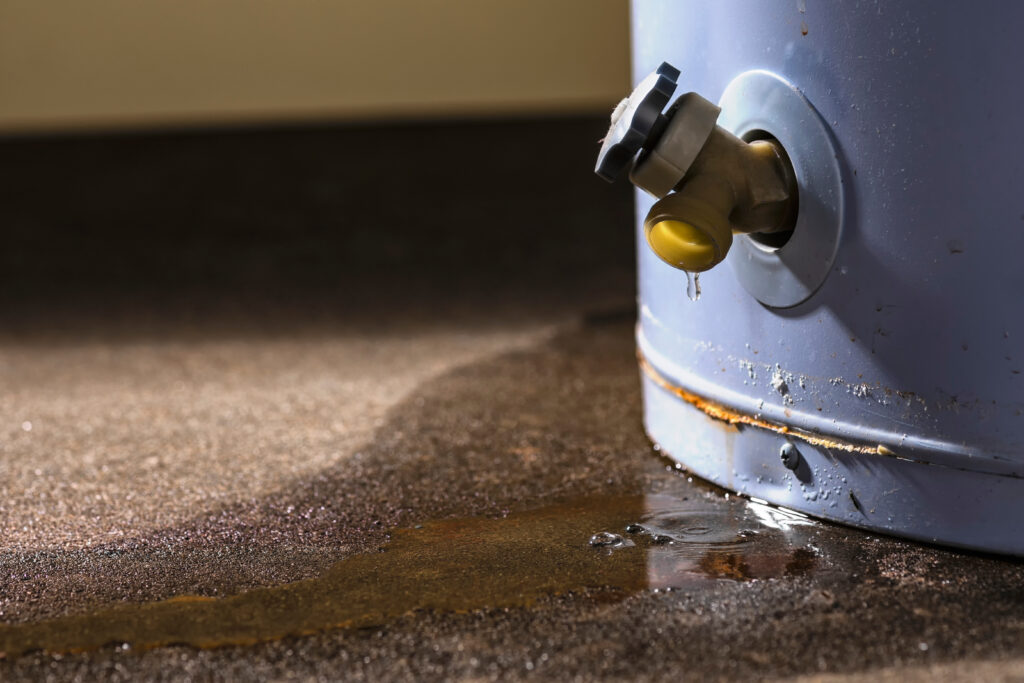
Leaks: Water pooling around the base of the heater.
Inefficiency: Rising energy bills caused by poor performance.
These warning signs indicate that your system is nearing the end of its usable life and could fail completely at any time.
In many cases, the decision comes down to dollars and cents. Water heater repairs can cost anywhere from $150 to $500, depending on the issue. Replacement, on the other hand, typically ranges from $1,000 to $3,500, including installation.
If the cost of repair is more than 50% of the cost of replacement — especially on an older unit — replacement is usually the better investment. New water heaters are more energy-efficient, which can save money on utility bills over time.
Proactive maintenance extends the life of your water heater and reduces the likelihood of emergencies. Flushing the tank annually helps control sediment buildup, while checking the anode rod every few years prevents rust inside the tank. Scheduling professional inspections ensures that minor problems are caught early before they become costly.
When faced with water heater troubles, the choice between repair and replacement depends on the unit’s age, the type of problem, and the cost of fixing it. Younger units with minor issues can often be repaired successfully, while older, inefficient, or leaky systems should be replaced to save money and stress in the long run.
Call Tony’s Plumbing for expert water heater services. Whether you need fast repairs or a full replacement, our team can guide you to the solution that best fits your home and budget.