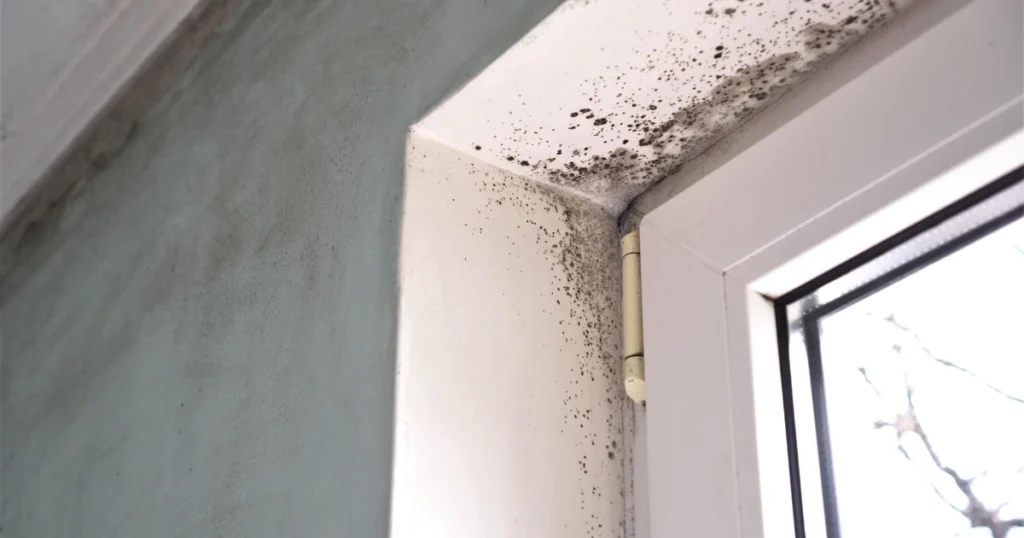
Primary Insight: Bathroom mold is a moisture problem, not a cleanliness problem — you can prevent bathroom mold for good only by fixing the leak, drainage, condensation, or ventilation issue feeding it, not by scrubbing it away.
Key Fact: Mold can begin growing on a wet surface within 24-48 hours (EPA), and keeping indoor humidity between 30-50% is the single most effective way to stop it before it starts.
Best Suited For: Homeowners with mold that keeps returning after cleaning, or mold showing up in spots a shower simply shouldn’t reach.
Black spots on grout, fuzzy corners in the shower, and that musty smell when you open the bathroom door are familiar to almost every homeowner. What is less familiar is that cleaning alone rarely fixes it. Most long-term moisture problems in a bathroom are tied to plumbing: a hidden leak, poor drainage, condensation, or ventilation that cannot keep up.
This guide covers why bathroom mold keeps coming back, how to tell whether the cause is plumbing-related, how to find a hidden leak before mold spreads, and exactly how to prevent bathroom mold at the source rather than just treating the symptom.
Mold needs three things to grow: moisture, warmth, and an organic food source like soap film or grout. Every bathroom has warmth and organic material already, so the real difference between a moldy bathroom and a mold-free one comes down to how fast moisture leaves the room and whether water is leaking into places you cannot see.
| Cause | How to Spot It | What Fixes It |
|---|---|---|
| Hidden leaks | Damp cabinet floors, staining around fixtures, musty smell with no visible water | Tighten P-trap connections, replace worn supply lines, reseal toilet base |
| Standing water in drains | Water pools before draining, slow drains, hair/soap buildup | Clear drain buildup, correct floor slope, address venting issues |
| Condensation on pipes | Water droplets on cold-water lines, a sweating toilet tank | Insulate cold pipes with foam sleeves, manage room humidity |
| Weak ventilation | Steam lingers after showers, fan runs but mirror stays fogged | Repair or upsize the fan, confirm it vents outside (not into the attic) |
Hidden leaks are the most common repeat offender, since damp building materials can feed mold even when no water is visible. The usual sources are a loose P-trap connection under the sink, a failing wax ring around the toilet base, or an aging pipe joint inside the wall.
Drainage that leaves standing water extends how long the bathroom stays humid after every shower. This is typically caused by hair and soap buildup, a partial clog, poor floor slope toward the drain, or a venting problem in the line.
Condensation and “sweating” pipes happen when a cold surface meets warm, humid bathroom air. It shows up as water droplets on cold-water supply lines, a sweating toilet tank, or dampness collecting around supply connections.
Ventilation that doesn’t remove moisture leaves steam with nowhere to go, so it settles on walls, ceilings, and grout instead of leaving the room. This points to a weak fan, a clogged duct, a fan that vents into the attic instead of outside, or no fan at all.
Mold that returns within days or weeks of cleaning is the clearest sign the cause is still active somewhere in the plumbing, not the surface you just scrubbed. Growth in odd locations, like along a baseboard or on a ceiling rather than directly in the shower, points the same direction, since those spots only get wet from a leak or condensation, not from bathing.
A musty odor that persists in a bathroom that looks clean, paint that’s peeling, or drywall that feels soft to the touch are all signs that moisture has been present for a while, even if the mold itself hasn’t visibly spread yet. Water stains on a wall or ceiling confirm it.
Start with a quick monthly check: open the vanity and inspect the back wall, the cabinet floor, and the base of the toilet for any staining around fixtures. This catches the majority of hidden leaks before they cause real damage.
Follow up with the touch test: run your hand along supply lines and shutoff valves. A dry pipe should feel completely dry; any dampness means a slow leak is already in progress.
If you suspect a leak but can’t locate it, the water meter test settles the question. Turn off every fixture in the house, then check whether the meter is still moving. If it is, water is going somewhere it shouldn’t.
If a leak is suspected but you can’t pin it down with these three checks, call a professional rather than waiting. Hidden moisture behind a wall or under a floor can cause substantial damage the longer it goes unaddressed.
Fix the leaks first. Tighten loose under-sink connections, replace worn supply lines, reseal the toilet base if it rocks, and re-caulk tub and shower edges wherever grout has failed. Call a plumber for any water damage source you can’t identify, a leak suspected behind tile or inside a wall, a possible shower pan issue, or mold that keeps coming back despite these fixes.
Control humidity and condensation. Run the bathroom fan during every shower and for 20-30 minutes after; a timer switch helps if it’s easy to forget. Confirm the fan vents outside rather than into the attic, since a fan pushing moisture into an unventilated attic space just relocates the mold problem. Insulate cold water pipes with foam sleeves to cut down on the condensation that drips into cabinets, and address a sweating toilet tank through humidity control or a professional upgrade. A few daily habits help too: wipe down shower walls after use, leave the shower curtain open to dry, and hang towels so they can fully dry between uses.
Improve drainage. A slow drain extends how long a bathroom stays damp after every use, so clean drain covers regularly and clear buildup as it happens. If slow drainage persists after cleaning, the problem may be deeper in the line, the venting, or the main sewer, and that calls for a professional inspection. Shower floors should slope toward the drain; any low spot that holds standing water in a corner keeps that section of the bathroom damp between uses. A low-flow showerhead reduces the amount of steam generated per shower, and a temperature-regulating valve prevents the excessively hot water that tends to produce the most steam. Rain showerheads and other oversized fixtures generate more steam than a standard showerhead, which is worth knowing before choosing one for a mold-prone bathroom.
Address the moisture source first. Cleaning mold without fixing what’s feeding it means it comes back, usually within days. Small, isolated patches can typically be cleaned safely with proper ventilation and gloves, but larger growth, or mold that has reached drywall or flooring, needs professional remediation rather than a DIY approach.
Call a plumber if mold recurs after cleaning, if you notice visible damage like peeling paint, soft flooring, or warped walls, or if you suspect a leak behind a wall, under a floor, or at a fixture you can’t inspect yourself. Older plumbing systems nearing the end of their service life are also worth a professional look before a small leak becomes a bigger one, and any bathroom remodel should include proper waterproofing and plumbing review from the start rather than after mold shows up.
Tony’s Plumbing offers leak inspection, non-invasive leak detection, and moisture-source repair aimed at preventing mold from coming back, not just clearing what’s already there.
Mold in a bathroom can affect your health, particularly through allergic reactions and respiratory irritation. People who spend time in damp, moldy spaces report symptoms including respiratory irritation, worsened or new-onset asthma, and allergic reactions such as sneezing, nasal congestion, and skin rash, with those who already have asthma or a mold allergy at greater risk (CDC).
Bathroom mold’s appearance alone cannot tell you which species it is, since many types of mold look similar regardless of how harmful they are. Any mold growth serious enough to raise health concerns is worth having professionally inspected rather than identified by eye, and it shouldn’t be disturbed or scrubbed without proper protection in the meantime.
No cleaning product permanently kills bathroom mold if the moisture feeding it is still there, since mold will simply regrow on the same damp surface. A lasting fix requires controlling the moisture source itself, whether that’s a leak, poor drainage, condensation, or inadequate ventilation, alongside the cleanup.
Bathroom mold should be cleaned only after you’ve addressed what’s keeping the area wet, since cleaning first and fixing the moisture source later just means doing the cleaning twice. Mold that returns quickly or shows up in more than one spot is a sign the underlying issue is plumbing-related and needs a professional assessment rather than another round of cleaning.
Bathroom mold is fundamentally a moisture problem, and moisture in a bathroom almost always traces back to a leak, poor drainage, condensation, or ventilation that isn’t doing its job. Treating the mold without treating the source just buys time before it returns, and in the meantime hidden leaks keep causing damage you can’t see, from soft drywall to deteriorating subfloors.
Tony’s Plumbing can inspect your bathroom for the leak, drainage issue, or ventilation gap that’s keeping it damp, and fix it at the source so the mold doesn’t come back. Contact Tony’s Plumbing today to schedule an inspection.