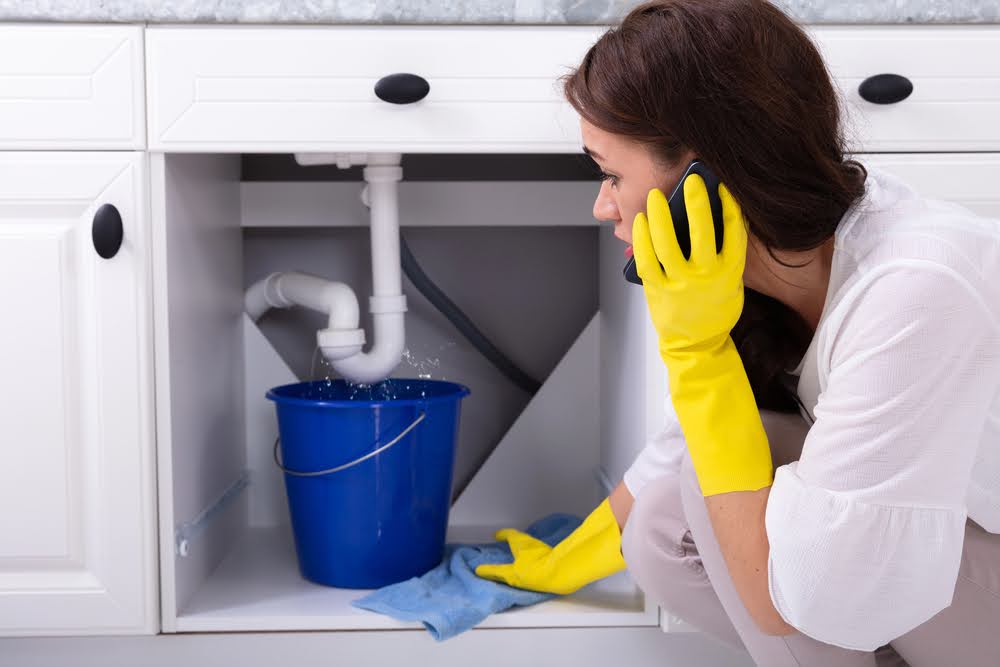
When a plumbing emergency hits your business, panic tends to arrive before the plumber does. Maybe a burst pipe is flooding your office, or a sewer backup has just shut down your restaurant kitchen. You’ve already done the right thing and called an emergency plumber. Now comes the part that most business owners overlook: what you do before the plumber shows up.
Those 30 to 45 minutes before help arrives? They matter a lot.
Taking the right steps while waiting can drastically reduce damage, downtime, and repair costs. Here’s how to take control of the chaos and lead your team through a plumbing crisis with calm and confidence.
Think about this before the water hits the floor. Locate and label these now, not during an emergency:
Time is everything. If it’s a localized issue like a sink or toilet, find the nearest shut-off valve and twist clockwise.
If it’s a building-wide problem, shut off the main valve completely. Don’t see it? Don’t delay; move to damage control. Your emergency plumber will handle the shut-off when they arrive.
If water is near outlets or electrical panels, shut off the breakers to that area.
Never walk through standing water to access the panel; electric shock is a real risk. If unsure, wait for a professional.
Act fast, but think smart:
Document everything—take photos and videos of the damage, the source, and your actions. Your insurance company will need this for your claim.
Start blocking the water from spreading. Use:
Create barriers to redirect water to floor drains. Keep customers and employees clear of the area. For sewer backups, don’t try to clean it; keep everyone out and seal off other floor drains to prevent further spread.
Insurance loves detail. So give it:
Let your staff know what’s going on and what to avoid. If you need to close temporarily or delay appointments:
Also, contact your insurance provider immediately. Some policies require same-day notification for water damage prevention claims.
Here’s what the best-prepared businesses do before disaster strikes:
Once the team from Tony’s Plumbing gets there, the priority is fast action, stopping the leak, preventing further loss, and giving you clear answers.
We’ll:
We don’t just fix—we prepare. At Tony’s Plumbing, we’ve handled emergency plumbing for businesses in Modesto for over 30 years.
Establish your relationship with a 24/7 plumbing service now—before you’re knee-deep in water. One quick call can save hours of chaos later.
Call Tony’s Plumbing at 209-301-8620 and make your emergency our responsibility.

It’s Saturday night, the dining room is full, and suddenly the sink won’t drain or the floor drain backs up, flooding the kitchen. Worse, a neglected grease trap starts to stink. In a commercial kitchen, plumbing problems don’t just slow you down; they shut you down.
The good news? Most issues are easy to spot and even easier to prevent.
Walk into any busy kitchen, especially around Modesto, and you’ll find the usual suspects:
These aren’t accidents. They’re the natural result of what commercial kitchens do every single day: heat, wash, cook, repeat.
Whether you run a bustling downtown café or a high-volume catering kitchen, your kitchen plumbing repair strategy starts with awareness. Know what’s coming. Know how to stop it.
If you’re running a restaurant, plumbing isn’t optional; it’s a legal requirement. No working sink? You can’t legally serve food. Grease trap overflow? Say hello to health code violations.
In Modesto’s competitive food scene, one plumbing failure during peak hours can cost thousands and reputation damage that lingers longer than the smell of backed-up drains.
Nothing wreaks more havoc on food service plumbing than a grease trap that’s overdue for service. These devices are designed to capture F.O.G.—fats, oils, and grease—before they enter your plumbing.
When ignored, grease slips past the trap, solidifies inside your pipes, and causes:
If your team notices any of these signs, you need to act now.
Prevention Tips:
Floor drains are essential in any commercial kitchen. They collect mop water, spills, and runoff. But they also catch food scraps, grease, and debris that slip past during a busy shift.
When they clog, you get standing water, and that’s a slip hazard, a health code red flag, and a service nightmare all in one.
How to Keep Them Clear:
Your three-compartment sink is under constant pressure, scrubbing, rinsing, and sanitizing nonstop. When it clogs or slows down, your whole dish process comes to a stop.
Most slowdowns are caused by:
Keep it Flowing:
Sometimes, it’s not the fixture. It’s the main line.
Commercial kitchens put enormous pressure on their plumbing system. Grease, food waste, and hot water all day, every day. Over time, it clogs deep in the system.
You’ll know it’s a mainline issue when multiple drains back up at once.
Fix? It is advisable to take preventive measures rather than waiting for a
Nothing slows a kitchen like weak water pressure or lukewarm water.
Health codes demand specific temps for dishwashing. If your system can’t keep up, you’re out of compliance.
In Modesto’s older buildings, galvanized pipes often restrict water flow. Outdated fixtures or overworked water heaters also contribute.
What to Watch For:
Pro tip: regular inspection and fixture upgrades beat emergency calls every time.
Here’s where most well-meaning owners slip up:
Restaurant plumbing isn’t “set it and forget it.” It needs eyes on it every day.
Your kitchen runs on more than food; it runs on functioning plumbing. Every restaurant plumbing emergency is a preventable situation that started with warning signs no one acted on.
A well-run restaurant trains its staff, services its grease trap, schedules routine kitchen plumbing repair, and never gambles with drain cleaning delays. Invest in your plumbing, and your plumbing will pay you back by not costing you thousands during your busiest hours.
Looking for a commercial plumber who understands the pressure of a busy kitchen? Call Tony’s Plumbing at 209-301-8620. We’re ready when you need us.
Imagine this: it is the lunch rush at your Modesto restaurant, and the restrooms back up. Or your office building’s main water line bursts and floods the first floor. Or your retail shop’s only bathroom is down, and you legally cannot stay open.
When plumbing fails in a commercial space, it is not just about the plumbing repair itself. The plumbing downtime cost is the real hit. Lost revenue, stalled operations, frustrated customers, and brand damage that lasts longer than the leak.
Here is the truth: a plumbing emergency that shuts you down for even half a day can cost thousands in lost revenue, wasted payroll, and customer trust. A restaurant losing a dinner service. A retail shop closed on Saturday. An office building sending everyone home.
In those moments, you are not just calling an emergency plumber; you are dealing with a full-scale business interruption. You are not just paying for the repair. You are paying employees who cannot work. You are losing customers who will go to your competitor down the street.
You are dealing with potential health code violations, canceled appointments, and the ripple effect of a closed sign on your door when you should be open. And that is if you catch it quickly. The longer your plumbing keeps you closed, the more those business interruption costs multiply.
In the 209, we have a lot of older commercial buildings with plumbing systems that have been working hard for decades, and those aging systems often fail without warning.
In Modesto’s growing business community, competition is real. When your doors close for a plumbing emergency, it is not just a call to an emergency plumber; it is a full business interruption.
Your customers are not waiting for you to reopen. They are going to the business that can serve them right now, and in this market you cannot afford to hand your competition that advantage.
When plumbing takes you offline, revenue stops instantly. A restaurant losing peak dinner hours can drop $2k to $5k in sales, a retail shop closed on a Saturday loses its most profitable day, and even partial shutdowns hurt because half the restrooms means half the capacity, a dead kitchen sink means a limited menu, and no water to a floor means empty space you are still paying rent and payroll on.
Bottom line: closed doors equal zero revenue while expenses keep running full speed, which is why the goal should always be minimal downtime.
When plumbing shuts you down, you’re still paying your people. They showed up ready to work, but they can’t, and you either pay them to sit idle or send them home and take the morale hit. And even when you’re technically open, productivity tanks because everyone’s distracted, uncomfortable, and working around the problem.
Warehouse teams lose focus around a flooded bathroom. Office staff wastes time sharing a single working restroom. On top of that, some plumbing issues cross into health code and safety territory, and that is liability you do not want.
The most expensive cost is the one you can’t see on an invoice. When customers show up and find you closed, they remember, they tell people, and they leave reviews that live online forever. One bathroom incident can turn into a viral post. A flooded dining room makes for unforgettable photos, just not the kind you want tied to your brand.
And if you’re a service provider who misses deadlines because plumbing shut you down, client confidence erodes fast. The customers you lose in that moment may never return, and rebuilding that trust takes time and marketing dollars you didn’t need to spend.
When you need a plumber right now, you pay for urgency. After-hours rates, weekend service, rush jobs, and no time to shop around or wait for normal business hours. Emergency repairs are often temporary too, which means you pay once to reopen fast and again later to actually fix it. Cheap quick fixes fail again, usually at the worst time, and you are right back in crisis mode.
And compared to preventive maintenance, the math stings even more. A $200 inspection could have caught the issue long before it became a $3,000 emergency repair plus thousands more in lost revenue.
The biggest mistake is waiting until something breaks. At that point you are in crisis mode, making expensive decisions under pressure, and your business operations take the hit. We see owners choose cheap fixes that fail again and drive the plumbing downtime cost even higher.
Not having a trusted commercial plumber ready is another problem because when something fails on a Friday night, you do not want to be scrambling online for whoever answers. And those small warning signs like slow drains, running toilets, or damp spots are not small; they are early alerts. Ignore them, and the emergency will be bigger, more expensive, and always worse timing.
After 30+ years protecting Modesto businesses, we know this for certain: prevention costs less than emergency downtime. A maintenance plan, quick response to warning signs, and a trusted commercial plumber will always pay for themselves.
Tony’s Plumbing has been doing this since 1994. When we say we will be there in an hour, we understand that hour costs you money. We work fast, and we fix it right so you are not calling again next week.
We are not just a search result. We are your Modesto neighbors, and we understand what is at stake when plumbing shuts you down. Day, night, and weekends, we protect your uptime.
Need a commercial plumbing partner who gets it? Call Tony’s Plumbing at 209-301-8620.
Most commercial plumbing emergencies don’t appear out of nowhere. They start as small, unnoticed problems. A slow leak can cause water damage. A partially clogged drain can back up a sewer. A neglected water heater can flood a building. The good news is that most emergencies are preventable.
Regular maintenance costs a fraction of emergency repairs, business downtime, and chaos. Preventive maintenance isn’t an expense; it’s insurance against disaster. Here’s your roadmap to keeping commercial plumbing running smoothly.
Commercial plumbing works harder than residential systems and fails faster without proper maintenance. A small issue fixed during a routine inspection might cost $200. Ignored for six months, it can become a $5,000 emergency plus lost revenue.
Annual preventive maintenance costs a few hundred dollars, while emergencies can run thousands or more. Maintenance also ensures health code compliance, extends equipment life, and keeps budgeting predictable. Prevention isn’t just smart—it keeps your business running smoothly.
Check all visible pipes for leaks, corrosion, or moisture—small drips waste water and signal bigger problems. Test water pressure at multiple fixtures; sudden changes indicate system issues. Listen for unusual sounds like running water, persistent drips, or gurgling drains.
Inspect restrooms for slow drains or running toilets. Check water heaters for leaks, unusual sounds, or moisture at the base. Scan exposed plumbing in utility and mechanical areas. These monthly 20-minute checks catch problems before they become emergencies.
Schedule deep drain cleaning for high-traffic fixtures like restrooms, kitchen sinks, and floor drains. Clean aerators and faucet screens to restore flow and pressure. Test shut-off valves to ensure they work in an emergency. Check water heater settings for safety and efficiency.
Restaurants should inspect grease traps to prevent backups and code violations. Review water bills for unexpected spikes signaling hidden leaks. Test backflow prevention devices to protect the water supply and stay compliant. Quarterly maintenance addresses daily wear and tear before it becomes costly.
Hire a professional for a drain camera inspection of main sewer lines to prevent catastrophic failures. Schedule a full water heater inspection and flush to remove efficiency-reducing sediment. Test toilets for hidden leaks using dye tablets; running toilets can waste thousands of gallons.
Inspect supply lines and fixtures for wear or corrosion. Check sump pumps and backups. Review emergency shut-off procedures with staff. Inspect outdoor plumbing, hose bibs, and irrigation for leaks or freeze damage. Semi-annual checks catch issues before they become costly problems.
Invest in a comprehensive professional inspection of your entire plumbing system. Schedule full water heater maintenance, including anode rod checks and system evaluation. Have your main sewer line professionally cleaned and video inspected to prevent backups. Test your backflow preventer to protect public water supplies and meet code requirements.
Pressure test the system to identify weak points. Inspect gas lines for leaks and proper connections. Review plumbing documentation, including shut-off locations and system age. Plan for equipment replacements based on condition. Annual maintenance ensures system health and long-term planning.
Your maintenance staff can handle observation tasks, including visual inspections, listening for issues, monitoring water bills, and noting system changes. These checks catch early warning signs. For everything else, call professionals.
Drain cleaning, camera inspections, water heater service, repairs, backflow testing, and pressure testing all require specialized tools, expertise, and certifications. Think of it like a car: you can check oil and tire pressure, but a mechanic handles tune-ups and repairs. The same principle applies to commercial plumbing.
Assign clear responsibility for maintenance tasks, whether it’s the facilities manager, staff, or yourself. Document everything: completion dates, findings, and needed repairs. This supports insurance, property records, and system health tracking. Set calendar reminders so tasks don’t slip through.
Schedule monthly tasks at the start of each month and quarterly tasks at the start of each quarter. Build a relationship with a commercial plumber who knows your system. Budget for preventive maintenance, track patterns in logs, and plan replacements before equipment fails. A schedule only works if it’s realistic and followed.
Consistent preventive maintenance is the difference between minor inconveniences and major disasters. The small time investment now saves you from the stress, expense, and business disruption of emergency failures. Your plumbing system is critical infrastructure, so treat it with regular care and professional attention. The businesses that never have plumbing emergencies aren’t lucky—they’re proactive.
We’ve spent 30+ years helping Modesto businesses stay ahead of plumbing problems through smart preventive maintenance. We know your commercial system, we understand your business cannot afford downtime, and we work with you to create maintenance schedules that fit your operations and budget. Regular maintenance isn’t just about fixing problems; it’s about preventing them in the first place.
Let’s create a preventive maintenance plan that protects your business. Call Tony’s Plumbing at 209-301-8620, and let’s talk about keeping your plumbing running smoothly.
Hiring the wrong plumber costs you twice: first for their work, then for the fixes it creates. In commercial properties, the stakes are higher, including business disruptions, failed inspections, costly emergency repairs, and budget overruns.
Good reviews and low bids aren’t enough. You need a licensed commercial plumber with proven experience and a professional approach. Here’s how to separate the pros from the pretenders.
You’re not just fixing a leak; you’re choosing a long-term business partner. Your commercial plumber should know your property, understand your operations, and be ready when disaster strikes at 2 AM on a Sunday.
The wrong choice disrupts business every time something goes wrong. The right choice delivers a reliable expert who prevents small problems from becoming big ones. Your goal isn’t just finding a plumber; it’s finding your plumber.
Ask about their commercial experience, not just if they “can handle it.” Request a portfolio or references, ideally in your industry. Plumbing for restaurants, offices, or retail differs. A residential plumber isn’t enough.
Commercial work demands specialized knowledge, equipment, and parts access. Don’t let your business be someone’s learning experience.
Ensure your commercial plumber has the proper licenses, as requirements differ from residential. Verify their license with the state board and confirm they carry liability insurance and workers’ compensation.
This protects your property, team, and business. Any plumber who hesitates to provide proof isn’t the right choice.
Commercial plumbing emergencies don’t wait for business hours. You need a plumber with true 24/7 availability, not just an answering service. Ask about response times, after-hours pricing, and flexibility around your schedule.
For businesses outside standard hours, reliable emergency service is essential—your plumber must be ready when you need them.
Get an upfront estimate that clearly explains costs, with no vague pricing or hidden fees. A professional commercial plumber understands scope, estimates accurately, and stands by their quote.
Beware extremely low bids, as they often mean shortcuts or subpar materials. Fair pricing reflects quality, expertise, and long-lasting solutions.
Local presence matters more than a flashy website. How long has the plumber served your community? Can they provide verifiable local references? Experienced local plumbers understand building codes, inspectors, and commercial quirks.
A strong local reputation reflects accountability and quality work. We’ve served Modesto since 1994 because we do right by our neighbors.
Speed matters, but not at the cost of quality. Choose a plumber who works quickly to minimize downtime without cutting corners, uses commercial-grade parts, and offers warranties on their work.
Fast and meticulous go hand in hand. Professional service protects your business and ensures long-lasting results.
From the first call, notice how a plumber communicates. Do they explain clearly, return calls promptly, and respect your property? Professional communication means listening, answering questions, and keeping you informed while minimizing disruptions.
True professionalism combines technical skill with respect for your time, property, and business needs.
Their answers reveal whether they’re the right fit for your business.
Take the time to choose wisely. The right commercial plumbing contractor isn’t just fixing today’s problem—they’re protecting your business for years to come. Look for commercial expertise, proper licensing, transparent pricing, and a local reputation you can verify. You want a plumber who works fast but right, who’s available in emergencies, and who treats your business with respect.
We’ve spent 30+ years protecting Modesto commercial properties because we approach every job as the start of a long-term relationship. We’re licensed, insured, and transparent in our pricing. We’re available 24/7 for commercial emergencies because we know your business doesn’t stop. And we’re part of this community, which means we’re accountable to our neighbors.
Ready to find a commercial plumber you can count on? Let’s talk about your business’s plumbing needs. Call Tony’s Plumbing at 209-301-8620.
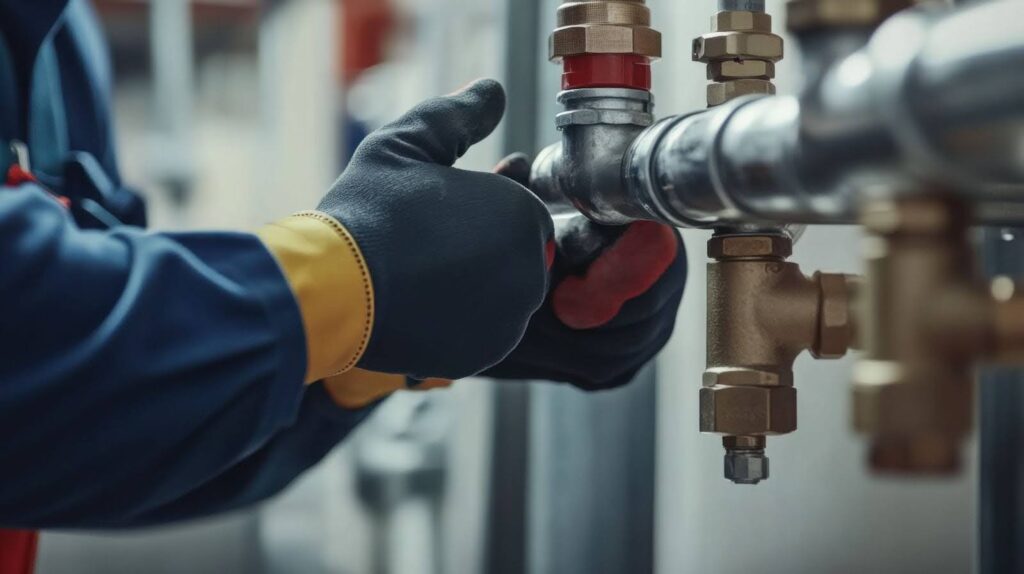
Here’s a mistake we see all the time: business owners hire a plumber who’s great with houses and expect the same results at their commercial property. Plumbing is plumbing, right? Not exactly. Commercial and residential plumbing are two different worlds: different systems, different codes, and different challenges.
Understanding these differences isn’t just interesting trivia. It’s the key to hiring the right plumber, avoiding costly mistakes, and keeping your business running smoothly. Here’s what separates a residential plumber from a commercial pro.
Commercial plumbing systems are larger, more complex, and work harder than residential ones. They serve more people, run longer hours, and face stricter regulations. When they fail, operations stop, customers and employees are affected, and code violations follow. That’s why commercial plumbing is a true specialty requiring expert skill and experience.
Residential plumbing serves one family with simple layouts and predictable use. Commercial plumbing supports dozens or hundreds across multiple floors with complex, far-reaching pipe networks.
Balancing water pressure, sizing pipes, and managing distribution require advanced expertise. It’s not just about fixing leaks; it’s about understanding how an entire building’s system works together.
Home plumbing gets breaks, but commercial systems never stop. From opening to closing, they handle nonstop use from restrooms, kitchens, and cleaning crews.
What a home system sees in five years, a commercial one endures in one. They must handle heavy surges daily without failing or disrupting operations.
Commercial properties face stricter codes, frequent inspections, and tougher requirements than homes. Health departments regulate restrooms and food service plumbing, while ADA compliance, backflow prevention, and grease traps are mandatory.
Permits are harder, penalties higher, and violations can shut you down. Residential plumbers risk costly mistakes in commercial settings.
Commercial fixtures are built for constant, heavy use, not occasional household demand. Toilets, faucets, and urinals are designed and serviced differently from residential ones.
Commercial buildings also use specialized equipment like industrial water heaters, sump pumps, and grease traps that require expert knowledge and proper parts access many residential plumbers lack.
Residential plumbing is easy to access through basements or crawl spaces. Commercial systems run through multiple floors, walls, and ceilings shared with electrical and HVAC lines.
They face pressure challenges, complex shutoffs, and limited access. Repairs require planning, blueprint knowledge, and coordination to keep business operations running smoothly.
When commercial plumbing fails, the cause can be hidden, whether it is a bad fixture, valve issue, or corroded pipe. Diagnosing it requires tools like cameras, leak detectors, and pressure tests, plus the skill to read results.
They must also understand how plumbing demands vary between restaurants, offices, and retail spaces. Experience matters. After 30 years in Modesto, we often pinpoint problems from a simple description.
Hiring a residential plumber for commercial work might seem cheaper, but it’s not. They often lack the right parts, improvise with residential materials that fail, or don’t know commercial codes, leading to failed inspections.
They underestimate complexity, take longer than quoted, or can’t solve the problem at all. You pay twice, once for the mistake and again for the fix, plus the cost of business disruption. In commercial plumbing, lost time is lost money.
Ask about specific commercial experience. Have they handled projects like yours? Do they regularly work with commercial properties, or is yours a one-time job? Verify they’re licensed for commercial work, since requirements differ from residential. Confirm they stock commercial-grade parts and understand your business’s needs.
Restaurants need off-hour repairs, offices can’t have restrooms down during the day, and retail shops need quiet, discreet fixes. Choose a plumber with 24/7 availability; commercial emergencies don’t wait. Expect transparent pricing; commercial work costs more because it’s more complex and requires specialized equipment and materials.
Commercial plumbing isn’t residential plumbing on a larger scale. It’s a different specialty requiring different knowledge, different tools, and different experience. When your commercial property needs plumbing work, you need plumbers who understand commercial systems, work within commercial codes, and respect that your business operations can’t stop.
We’ve spent 30+ years protecting Modesto commercial properties, from small shops to large buildings. We understand the difference between fixing a house and keeping a business running. We work fast to minimize your disruption, but we always work right because we know commercial repairs need to last. No guesswork, no residential shortcuts, just skilled commercial plumbing from licensed technicians who know what they’re doing.
When your business needs plumbing work, call plumbers who specialize in commercial systems. Call Tony’s Plumbing at 209-301-8620.
When your commercial plumbing fails, your business does too. Out-of-order restrooms, halted operations, and lost customers quickly impact your bottom line. The difference between a quick fix and a costly disaster often comes down to catching problems early.
Your plumbing gives warning signs long before it breaks down completely. Here are five signs it’s time to call Tony’s Plumbing at 209-301-8620.
Commercial plumbing systems take a heavier beating than residential ones. With more users, constant demand, and longer hours, a small leak or minor clog can quickly turn into a health code violation or structural damage.
Many business owners delay repairs, hoping issues fix themselves or fearing the cost. But here’s the truth: in commercial plumbing, small problems never stay small. Acting early always costs less than emergency repairs or shutting down your business.
If sinks trickle, toilets refill slowly, or your kitchen can’t keep up, you’ve got a problem. Low water pressure often signals corroded pipes, hidden leaks, or failing pressure valves. In restaurants, it slows service. In offices, it frustrates tenants. In retail, it strains restrooms. Don’t adjust to low pressure; fix it before your pipes fail completely.
One clogged drain is normal. Three in three weeks means trouble. Multiple slow or backed-up drains often signal tree roots, pipe collapse, or buildup in your main line. The drain cleaner won’t fix it. Frequent clogs disrupt business and sanitation. If you’re calling often, schedule a camera inspection now.
Your water use should stay steady. If your bill jumps 20% or more without changes, you’re paying for leaks you can’t see. Hidden issues like running toilets, underground leaks, or faulty irrigation waste thousands of gallons and dollars. Don’t wait—find the source before it causes costly damage.
Banging pipes, gurgling drains, or sewer odors aren’t quirks; they’re warnings. Water hammer signals pressure issues or loose pipes. Gurgling means vent problems are letting sewer gas back up. A sulfur or rotten egg smell is a health hazard. Plumbing should be silent and odorless. If not, get it checked immediately.
Ceiling stains, wall discoloration, warped floors, or damp spots aren’t cosmetic; they signal active leaks damaging your building now. Water damage causes mold, structural issues, and liability risks. By the time you see it, the leak has been there a while, often hidden behind walls or floors. Waiting only increases repair costs.
In homes, you can ignore a slow drain or dripping faucet. In business, you can’t. Every plumbing issue affects customers, employees, and compliance. Health departments won’t wait, customers won’t return to broken restrooms, and employees can’t work without functioning facilities. In commercial plumbing, delay always costs more than action.
A $300 leak today becomes a $3,000 repair after damaging walls, floors, or inventory. A slow drain left unchecked can collapse a sewer line. With over 30 years protecting Modesto businesses, we’ve never met an owner who regretted calling early—only those who wished they had called sooner.
Don’t try DIY fixes on commercial plumbing systems. They’re more complex than residential systems and often require commercial-grade parts and expertise. We’ve seen too many cheap fixes that break within weeks, costing more in the long run.
Don’t hire based solely on the lowest bid. Commercial plumbing requires specific experience. A plumber who’s great with houses might be out of their depth with your three-story building’s complicated system.
Don’t ignore recurring “minor” issues. If you’re fixing the same problem quarterly, you’re treating symptoms instead of solving the actual issue.
And don’t skip preventative maintenance thinking you’re saving money. An annual inspection costs a fraction of an emergency repair—and it keeps your system running when you need it most.
Your commercial plumbing isn’t background noise; it’s critical infrastructure. When it shows warning signs, act fast. Early repairs prevent major failures, protect your reputation, and save money.
At Tony’s Plumbing, we’ve spent three decades serving Modesto businesses, from small shops to large commercial properties. We know your business can’t pause, so we work quickly to minimize disruption while doing the job right. No shortcuts. No guesswork. Just skilled, licensed technicians who’ve seen it all.
Day or night, weekends too, we’re here to keep your business running and your plumbing problem-free.
Call Tony’s Plumbing at 209-301-8620. We’ve got your back—as a Bear should.
Few plumbing problems strike fear into homeowners quite like a damaged sewer line. Traditional repairs often involve tearing up driveways, landscaping, or even portions of the home to access the problem. Fortunately, there’s a modern alternative that minimizes disruption: trenchless sewer repair. More and more homeowners are searching for “trenchless sewer repair” because it offers an effective, less invasive solution.
This guide explains what trenchless sewer repair is, how it works, its advantages over traditional methods, and when it may not be the right choice.
Trenchless sewer repair is a method of fixing underground pipes without the need for extensive excavation. Instead of digging long trenches to expose the sewer line, plumbers use specialized tools and techniques to repair or replace damaged sections from within the pipe itself.
There are two primary methods: pipe lining and pipe bursting. Pipe lining involves inserting a resin-coated liner into the damaged pipe, which hardens to create a new, durable inner layer. Pipe bursting, on the other hand, replaces the old pipe by breaking it apart while simultaneously pulling a new one into place. Both approaches save time and preserve your property.
Compared to traditional digging methods, trenchless repair provides several clear benefits.
Minimal disruption: No need to destroy landscaping, driveways, or floors.
Faster process: Repairs often take just one or two days instead of a week.
Durable results: The new pipes or liners can last 50 years or more.
Cost-effective: While the upfront cost may be similar to traditional methods, avoiding restoration expenses makes it more affordable overall.
Environmentally friendly: Less digging means less waste and reduced environmental impact.
For homeowners who dread the thought of heavy equipment and major property damage, trenchless methods are a welcome alternative.
Trenchless repair works well in many situations but isn’t always the answer. It’s ideal for homes with pipes that are cracked, corroded, or slightly misaligned but still structurally sound. It’s also a great solution when you want to avoid disturbing established landscaping, hardscaping, or building foundations.
However, trenchless repair may not be possible if pipes are severely collapsed, have major bellies (sags), or are made from materials unsuitable for lining. In those cases, traditional excavation may still be necessary. A professional inspection, often using a sewer camera, will determine if trenchless options are feasible.
Cost is always a consideration when facing sewer problems. Trenchless sewer repair typically ranges from $4,000 to $15,000 depending on the length of pipe and the chosen method. While this may sound steep, it often compares favorably with traditional excavation once you factor in the costs of restoring landscaping, driveways, or flooring.
For many homeowners, the long-term durability of trenchless methods also makes it a better investment. Pipes lined or replaced using these techniques often last decades, reducing the likelihood of repeat issues.
If your plumber recommends trenchless sewer repair, there are a few steps you can take to prepare. Clear the area around sewer access points so technicians can work efficiently. Ask your plumber to explain the process they’ll use, whether it’s lining or bursting, and request a detailed cost estimate before work begins.
Most importantly, choose a licensed, experienced plumber who specializes in trenchless methods. Not all companies have the tools or training required for this advanced technique.
Sewer line damage doesn’t have to mean tearing up your yard or spending weeks on messy repairs. Trenchless sewer repair offers a modern, efficient, and long-lasting solution that protects your property while restoring your plumbing. By understanding the process and working with a qualified local plumber, you can fix your sewer line quickly and with minimal disruption.
Contact Tony’s Plumbing for trenchless sewer repair services. Our expert team uses advanced technology to restore your sewer system with less mess and more efficiency.
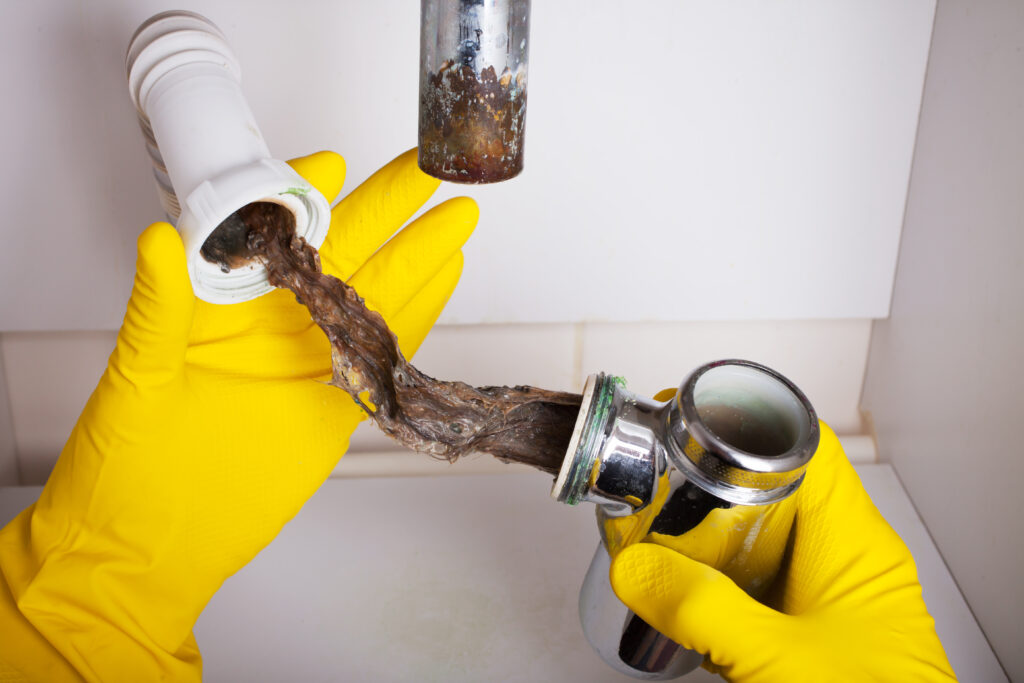
A slow drain may seem like a small inconvenience, but over time, clogs can grow into serious plumbing problems that disrupt your daily life. From unpleasant odors to water damage, ignoring your drains can end up costing you more than you expect. That’s why many homeowners turn to professionals after searching for “drain cleaning” to keep their pipes flowing freely.
In this guide, we’ll explain what causes clogged drains, explore DIY solutions versus professional services, highlight the benefits of advanced techniques like hydro jetting, and share preventative steps to keep your drains healthy.
Drains are built to carry water and waste, but everyday household activities often introduce materials that pipes aren’t designed to handle. Grease from cooking, hair from showers, and even soap scum can all contribute to buildup. Over time, these materials combine to narrow the passage inside your pipes.
In kitchens, grease and food scraps are the usual culprits. In bathrooms, hair and personal care products often lead to blockages. For homes with older plumbing, mineral buildup from hard water can accelerate clog formation, making professional drain cleaning a necessary routine.
It’s tempting to tackle a clogged drain on your own. Many homeowners turn to plungers, drain snakes, or chemical cleaners. While these methods may provide temporary relief, they rarely address the root of the problem.
Chemical cleaners, in particular, can be harmful to your pipes and the environment. Over time, repeated use may corrode plumbing lines, leading to costly repairs. A plunger or small auger can clear surface-level clogs, but deeper blockages often remain untouched.
Professional drain cleaning goes beyond temporary fixes. Plumbers use specialized tools and techniques to completely remove buildup and restore full flow to your pipes. This approach not only clears current clogs but also prevents recurring issues.
One of the most effective modern solutions for drain cleaning is hydro jetting. This technique uses highly pressurized water to blast away debris, grease, and mineral deposits from the inside of pipes. Unlike traditional methods, hydro jetting cleans the entire diameter of the pipe, not just the obstruction.
Hydro jetting is especially beneficial for homes with recurring clogs, tree root intrusions, or older plumbing systems that need a thorough reset. It’s safe, environmentally friendly, and can extend the lifespan of your plumbing system.
The frequency of professional drain cleaning depends on your household and plumbing system. For most homes, scheduling a cleaning once a year is a good rule of thumb. However, larger households or those with older pipes may benefit from more frequent maintenance.
If you notice slow drains, gurgling sounds, or unpleasant odors, these are clear signs it’s time to schedule service before the issue escalates. Preventative cleanings not only keep drains flowing but also reduce the chances of an unexpected plumbing emergency.
The best way to deal with clogs is to stop them from forming in the first place. Preventative measures are simple but effective:
By making these habits part of your routine, you can drastically reduce the risk of blockages.
Clogged drains are more than just an annoyance — they can lead to costly plumbing repairs if ignored. While DIY methods may offer short-term relief, professional drain cleaning ensures your pipes are cleared properly and stay that way. From hydro jetting to preventative maintenance, investing in your plumbing now saves time, money, and stress later. Schedule your drain cleaning with Tony’s Plumbing today and keep your home’s plumbing system running at its best.
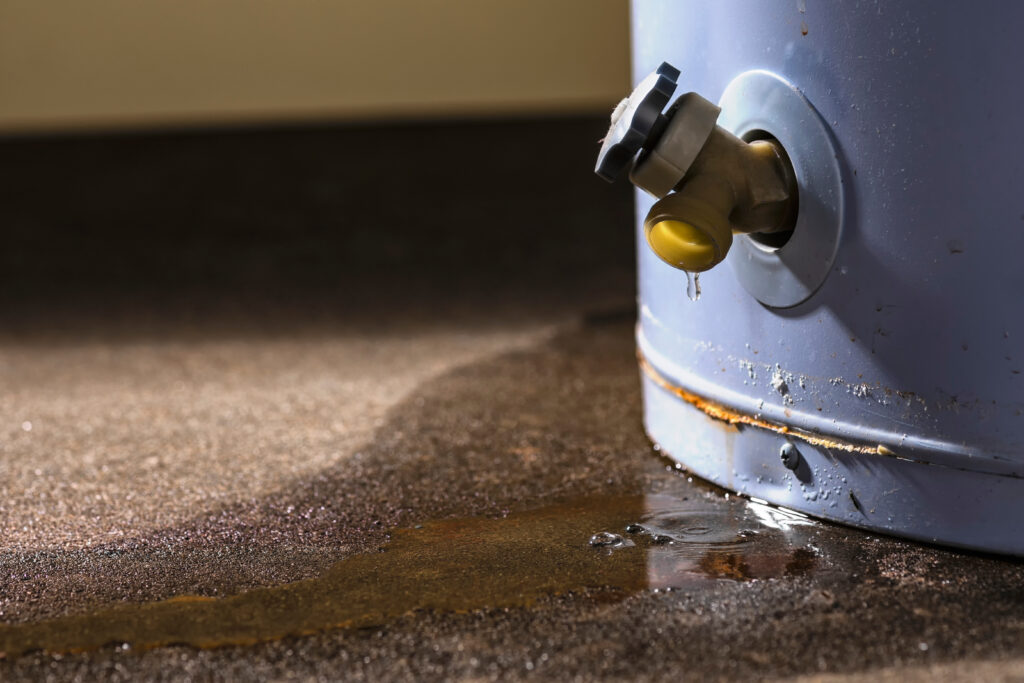
Few things are as frustrating as waking up to a cold shower or discovering that your water heater isn’t doing its job. When this happens, most homeowners immediately wonder: should I repair the unit or replace it altogether? Searching for “water heater repair” often leads to a flood of information, but the right answer depends on your situation.
In this guide, we’ll break down the key signs that point to repair or replacement, explore the average lifespan of water heaters, compare costs, and share tips to prevent future breakdowns.
Before deciding whether to repair or replace your water heater, it helps to know how long these units typically last. Traditional tank water heaters generally provide 8–12 years of reliable service, while tankless water heaters can last 15–20 years with proper care.
If your unit is still relatively young and well-maintained, repairs may make sense. But once a water heater passes the 10-year mark, investing in a replacement is often more cost-effective.
Not every water heater problem signals the end of its life. In fact, many issues can be resolved with professional repair.
Thermostat malfunctions – A faulty thermostat may prevent your water heater from maintaining the right temperature.
Heating element failure – Electric water heaters rely on elements that can wear out over time but are inexpensive to replace.
Pilot light problems – For gas water heaters, a malfunctioning pilot light or thermocouple is a common and fixable issue.
Sediment buildup – Flushing the tank can remove mineral deposits that interfere with heating efficiency.
If your water heater is younger than 8 years and experiencing one of these issues, a repair is usually the best choice.
Sometimes, repairing an old or failing unit simply delays the inevitable. Here are clear signs replacement may be the smarter option:
Age: The unit is 10+ years old.
Frequent Repairs: Multiple breakdowns in a short period.
Rust or Corrosion: Visible rust on the tank or in your water supply.
Leaks: Water pooling around the base of the heater.
Inefficiency: Rising energy bills caused by poor performance.
These warning signs indicate that your system is nearing the end of its usable life and could fail completely at any time.
In many cases, the decision comes down to dollars and cents. Water heater repairs can cost anywhere from $150 to $500, depending on the issue. Replacement, on the other hand, typically ranges from $1,000 to $3,500, including installation.
If the cost of repair is more than 50% of the cost of replacement — especially on an older unit — replacement is usually the better investment. New water heaters are more energy-efficient, which can save money on utility bills over time.
Proactive maintenance extends the life of your water heater and reduces the likelihood of emergencies. Flushing the tank annually helps control sediment buildup, while checking the anode rod every few years prevents rust inside the tank. Scheduling professional inspections ensures that minor problems are caught early before they become costly.
When faced with water heater troubles, the choice between repair and replacement depends on the unit’s age, the type of problem, and the cost of fixing it. Younger units with minor issues can often be repaired successfully, while older, inefficient, or leaky systems should be replaced to save money and stress in the long run.
Call Tony’s Plumbing for expert water heater services. Whether you need fast repairs or a full replacement, our team can guide you to the solution that best fits your home and budget.