Most homeowners do not realize they have a water leak until damage becomes impossible to ignore. Small leaks hidden behind walls or under floors can quietly weaken structures, damage finishes, and create the perfect conditions for mold. In fact, water damage accounts for around 22.6% of home insurance claims, with the average repair costing close to $15,000.
The good news is that most of this damage is preventable with early detection. This guide teaches you how to spot warning signs, use detection technology effectively, and decide when a leak needs professional attention. With the right knowledge, you can protect your home and avoid devastating repair bills.
Catching leaks early prevents 90% of major water damage. Look for these indicators:
Check Your Water Bill
Listen and Smell
Watch for Visual Changes
Check These First:
What Each Sign Means
| Visible Sign | Likely Cause | Urgency |
| Wet spots on walls/ceilings | Pipe burst or roof leak | HIGH—Call now |
| Mold growth | Slow drip behind drywall | MEDIUM—Inspect and dry |
| High water bill spike | Toilet flapper or underground line | LOW—Often DIY |
Hidden leaks often require a mix of simple tests and targeted inspections to confirm their source.
Turn off all water sources, then check the water meter. If the dial moves or numbers change, a leak is present. Leave the water off for two hours and recheck.
Modern leak detection technology helps catch problems early, often before any visible damage occurs.
Popular brands include YoLink and Govee. These devices:
Brands like Bluebot and DrizzleX offer:
Plumbers use acoustic sensors and infrared cameras for 99% accuracy in pinpointing hidden leaks without invasive methods.
Worth It? Yes. Average water damage claim: $12,000. A $200 monitor pays for itself in one prevented incident. Plus, many insurers offer 5-15% premium discounts for smart detection.
Here are practical steps homeowners can follow to reduce the risk of water leaks by up to 70%.
Inspect under sinks, behind toilets, and around water heaters. Replace worn washers, supply lines, and toilet flappers before failure. Check basements and crawl spaces for dampness or visible moisture.
Insulate pipes in unheated areas such as garages, attics, and crawl spaces. Install drip pans under water heaters and washing machines. Monitor water pressure and install a regulator if it exceeds 80 psi. Use low-flow fixtures to reduce strain on the plumbing system.
Place leak sensors in basements, laundry rooms, and near water heaters. Review water usage for unexplained spikes. Test sensors and replace batteries seasonally to ensure alerts function properly.
Knowing when to tackle a leak yourself and when to call a professional can save time, prevent damage, and reduce repair costs. Here’s what homeowners need to know.
Cost Insight: Professional detection typically costs $300–$600, often saving money by avoiding exploratory wall or floor cuts.
Water leaks and plumbing emergencies can happen at any time, and quick action can save your home from costly damage. With over 30 years of experience serving Modesto homes, Tony’s Plumbing combines advanced leak detection technology with skilled, meticulous workmanship. We locate leaks without unnecessary damage, provide honest pricing upfront, and back every repair with a one-year warranty.
Your home, your family, and your peace of mind are our top priorities. Call Tony’s Plumbing at 209-214-7824 and make your emergency our responsibility.
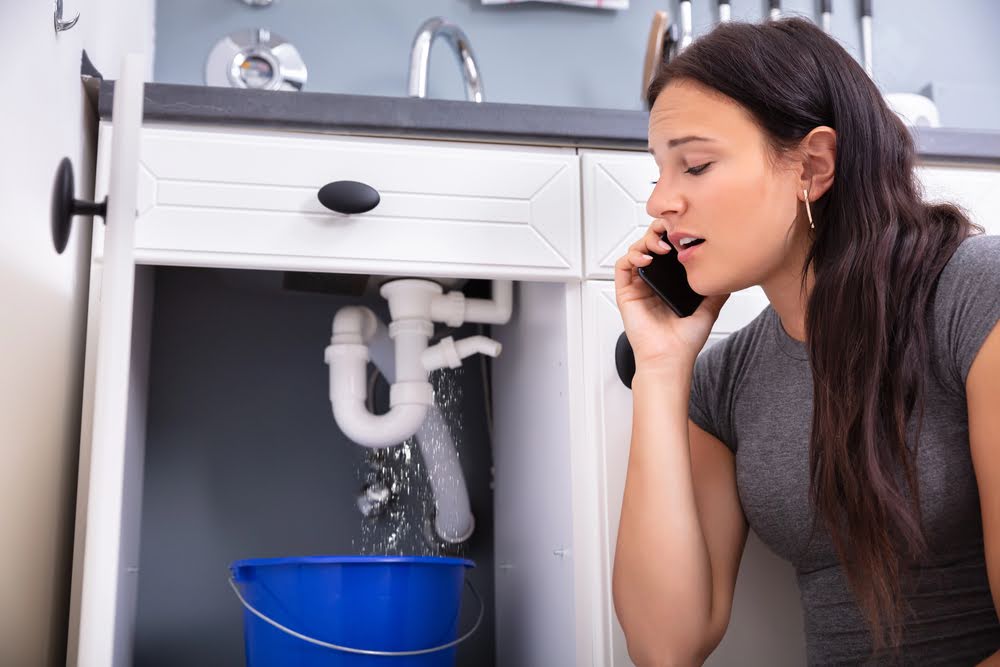
How do you find a water leak that isn’t visible?
Start with the meter test (turn off all water and watch the meter). If confirmed, use acoustic sensors or thermal imaging. For slab leaks, professional infrared scanning works best.
Does home insurance cover leak detection?
Insurance covers sudden, accidental damage but not gradual neglect. Some policies partially cover professional detection costs. Smart leak detection systems often qualify you for 5-15% premium discounts.
Is water leak detection technology worth the investment?
Yes. The average water damage claim costs $12,000. A $200-500 detection system prevents disasters and pays for itself after one incident. You’ll also receive insurance discounts.
How do plumbers find hidden leaks?
Plumbers use acoustic sensors, infrared cameras, video pipe inspection, tracer gas detection, and pressure testing. These tools find leaks without unnecessary demolition.
What’s the difference between a drip and an emergency?
A slow faucet drip can wait for a scheduled repair. Active spraying, pooling water, spreading damage, or anything involving gas or main lines requires an immediate call.