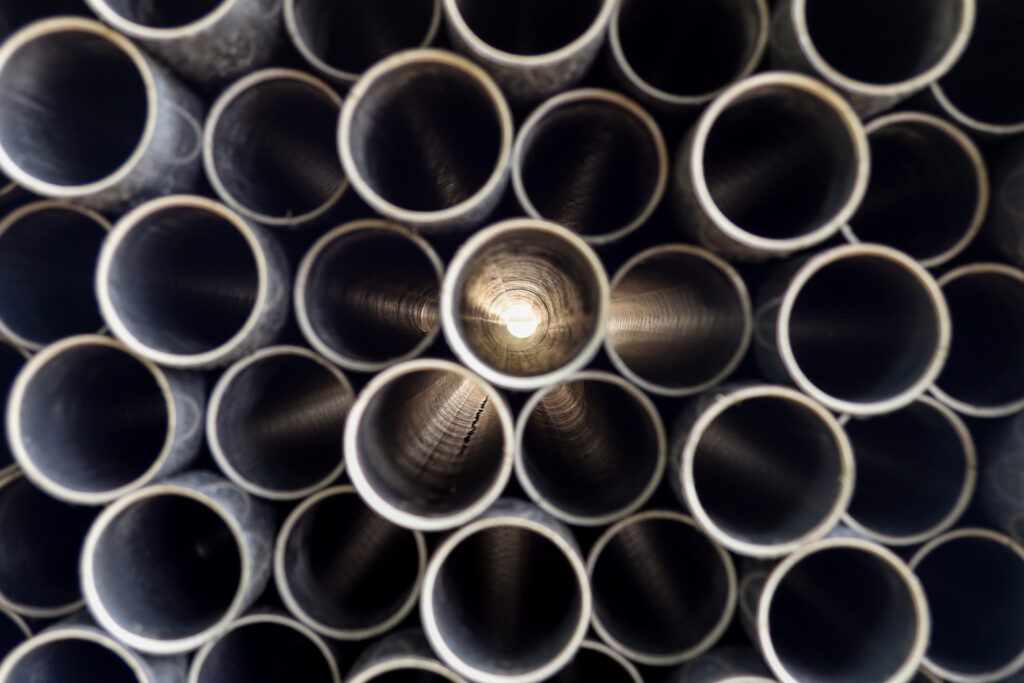
Few plumbing problems strike fear into homeowners quite like a damaged sewer line. Traditional repairs often involve tearing up driveways, landscaping, or even portions of the home to access the problem. Fortunately, there’s a modern alternative that minimizes disruption: trenchless sewer repair. More and more homeowners are searching for “trenchless sewer repair” because it offers an effective, less invasive solution.
This guide explains what trenchless sewer repair is, how it works, its advantages over traditional methods, and when it may not be the right choice.
Trenchless sewer repair is a method of fixing underground pipes without the need for extensive excavation. Instead of digging long trenches to expose the sewer line, plumbers use specialized tools and techniques to repair or replace damaged sections from within the pipe itself.
There are two primary methods: pipe lining and pipe bursting. Pipe lining involves inserting a resin-coated liner into the damaged pipe, which hardens to create a new, durable inner layer. Pipe bursting, on the other hand, replaces the old pipe by breaking it apart while simultaneously pulling a new one into place. Both approaches save time and preserve your property.
Compared to traditional digging methods, trenchless repair provides several clear benefits.
Minimal disruption: No need to destroy landscaping, driveways, or floors.
Faster process: Repairs often take just one or two days instead of a week.
Durable results: The new pipes or liners can last 50 years or more.
Cost-effective: While the upfront cost may be similar to traditional methods, avoiding restoration expenses makes it more affordable overall.
Environmentally friendly: Less digging means less waste and reduced environmental impact.
For homeowners who dread the thought of heavy equipment and major property damage, trenchless methods are a welcome alternative.
Trenchless repair works well in many situations but isn’t always the answer. It’s ideal for homes with pipes that are cracked, corroded, or slightly misaligned but still structurally sound. It’s also a great solution when you want to avoid disturbing established landscaping, hardscaping, or building foundations.
However, trenchless repair may not be possible if pipes are severely collapsed, have major bellies (sags), or are made from materials unsuitable for lining. In those cases, traditional excavation may still be necessary. A professional inspection, often using a sewer camera, will determine if trenchless options are feasible.
Cost is always a consideration when facing sewer problems. Trenchless sewer repair typically ranges from $4,000 to $15,000 depending on the length of pipe and the chosen method. While this may sound steep, it often compares favorably with traditional excavation once you factor in the costs of restoring landscaping, driveways, or flooring.
For many homeowners, the long-term durability of trenchless methods also makes it a better investment. Pipes lined or replaced using these techniques often last decades, reducing the likelihood of repeat issues.
If your plumber recommends trenchless sewer repair, there are a few steps you can take to prepare. Clear the area around sewer access points so technicians can work efficiently. Ask your plumber to explain the process they’ll use, whether it’s lining or bursting, and request a detailed cost estimate before work begins.
Most importantly, choose a licensed, experienced plumber who specializes in trenchless methods. Not all companies have the tools or training required for this advanced technique.
Sewer line damage doesn’t have to mean tearing up your yard or spending weeks on messy repairs. Trenchless sewer repair offers a modern, efficient, and long-lasting solution that protects your property while restoring your plumbing. By understanding the process and working with a qualified local plumber, you can fix your sewer line quickly and with minimal disruption.
Contact Tony’s Plumbing for trenchless sewer repair services. Our expert team uses advanced technology to restore your sewer system with less mess and more efficiency.